

Lyz Sutcliffe reflects on movement, grief and resilience
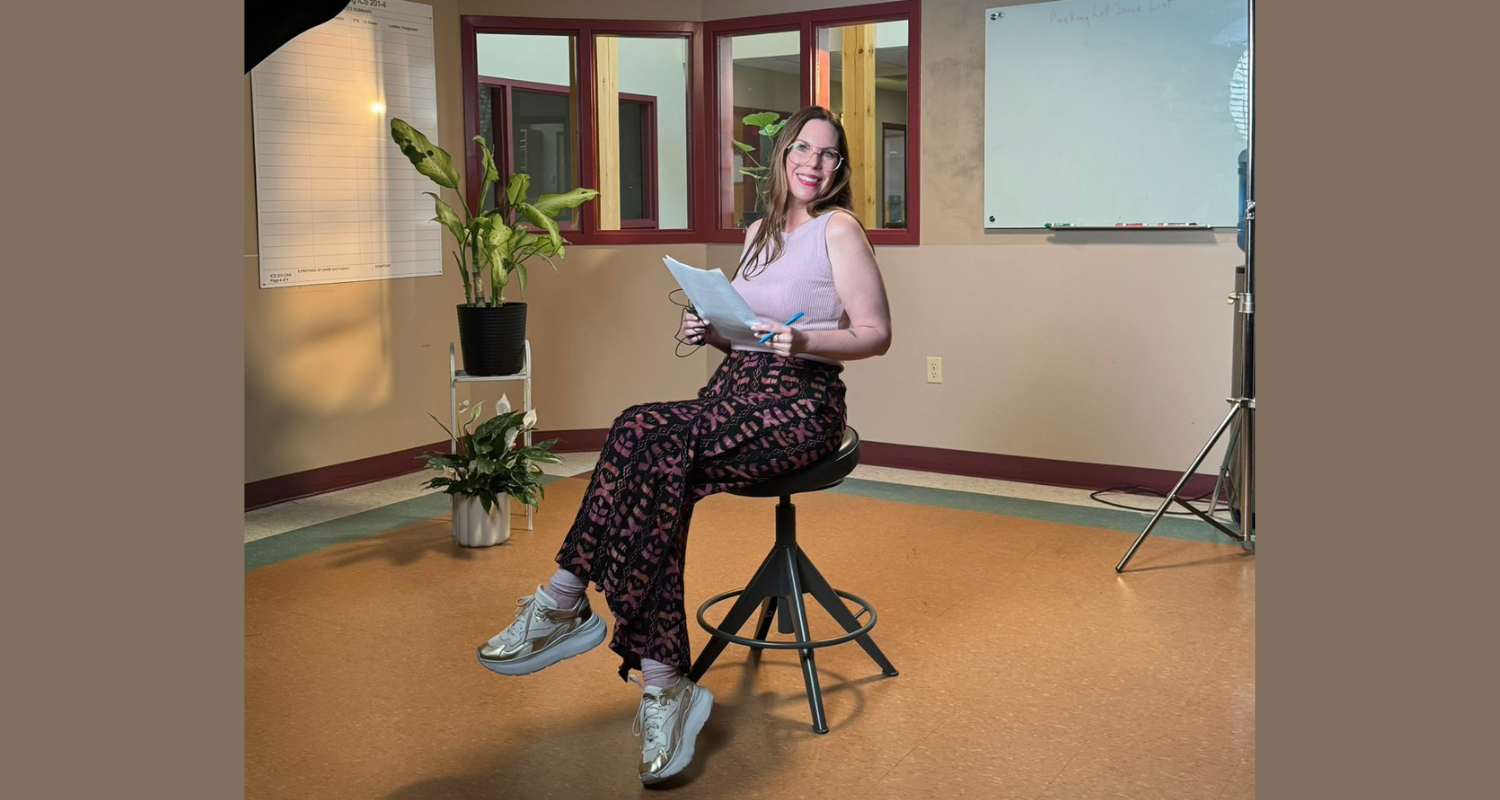
Lyz on the set of the Healthy Tomorrow Foundation’s Antigonish documentary. Taken by Basha Koncepts.
I’m Lyz Sutcliffe, communications lead for the Healthy Tomorrow Foundation. We often use this space to highlight the movement journeys of others. Today, I’d like to share mine.
Most of my work happens behind the scenes. I help shape strategy, marketing and communications for the Make Your Move initiative and Kids Run Club. I share stories about the power of movement and support communities as they bring Make Your Move to life on the ground.
When I began working with the Foundation five years ago, I started learning about the concept of simple movement, which informs much of what we do. In essence, simple movement is activity that is immediately accessible. It does not require new or specialized skills. It is easy to fit into a day, free of charge and often something people are already doing. You may remember our early campaign message: “The best piece of exercise equipment ever invented is you.”
Ironically, movement was not a priority in my own life. At the time, I had not given much thought to how the message we promote showed up in my own life. I often felt disconnected from the relationship between my mind, body and spirit. This despite the fact that, when I was young, I was involved in gymnastics and figure skating and I loved to dance. Many girls step away from physical activity during their teenage years, and I was no exception.
However, through the work I was doing, and the understanding I was gaining about how impactful simple movement is, I began to reflect on my own habits. Not enough to make real, transformational change. But doing so was on my mind.
My real wake-up call came around three years ago, when I was diagnosed with pre-diabetes. It shook me. I was struggling with my weight, dealing with anxiety and often feeling overwhelmed.
Alongside changes to my diet, I decided to intentionally move more. For me, that started with walking. The steps added up quickly, especially when a workday included a short walk before work, a stroll at lunch and another walk after dinner. Breaking movement into smaller pieces made it easier to fit into my day. At the time, none of my walks lasted longer than 15 minutes. I also bought an inexpensive treadmill on Facebook Marketplace.
Before long, I began to notice real changes. My energy improved. My anxiety became more manageable. I felt a growing sense of control over my health. Movement helped reconnect those pieces.
Eventually, movement became part of my daily rhythm. I woke up wanting to move. I joined a gym, started lifting weights and discovered how satisfying it felt to build strength over time. As someone in the perimenopause years, I know how important strength exercises are for building muscle and supporting bone health. Research reinforced how essential movement is for long-term health and longevity.
On May 2, 2025, I received a call that changed everything. My younger sister, Johanna, passed away suddenly and unexpectedly.
Johanna was the light of my life and the heart of my heart. Losing her felt overwhelming. I knew immediately that life would never be the same, and I worried about how grief might shape me.
Johanna was a Special Olympics athlete for more than 20 years. She competed at the national games, representing Nova Scotia in curling. She loved track, basketball, bocce and curling. Johanna was also a talented artist and someone who celebrated every holiday with enthusiasm.
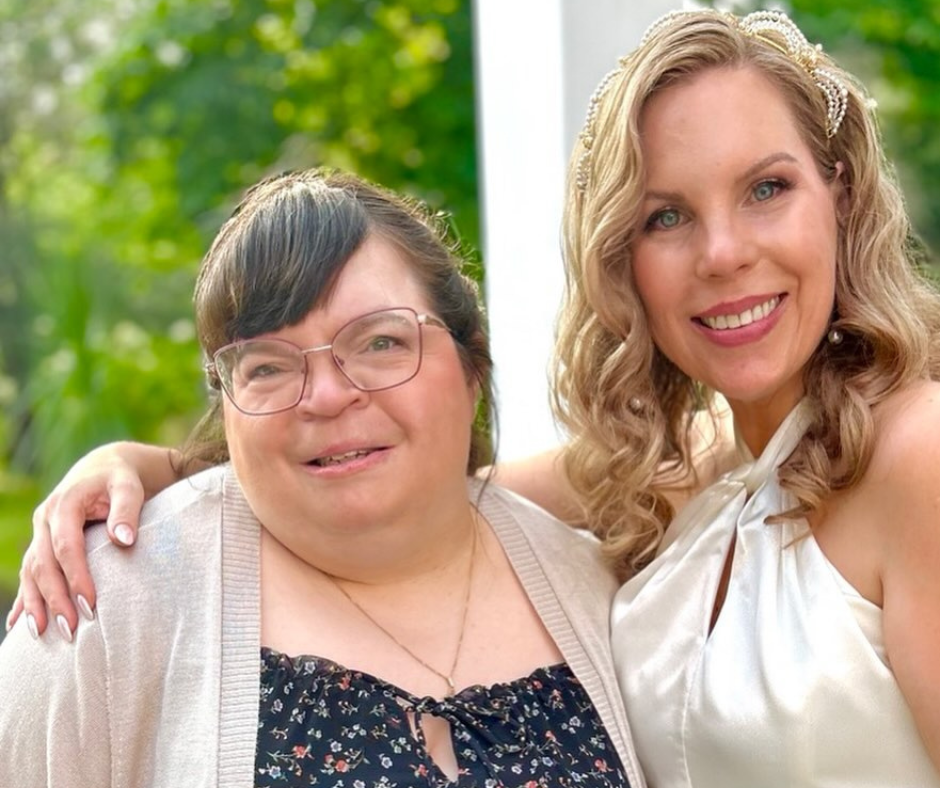
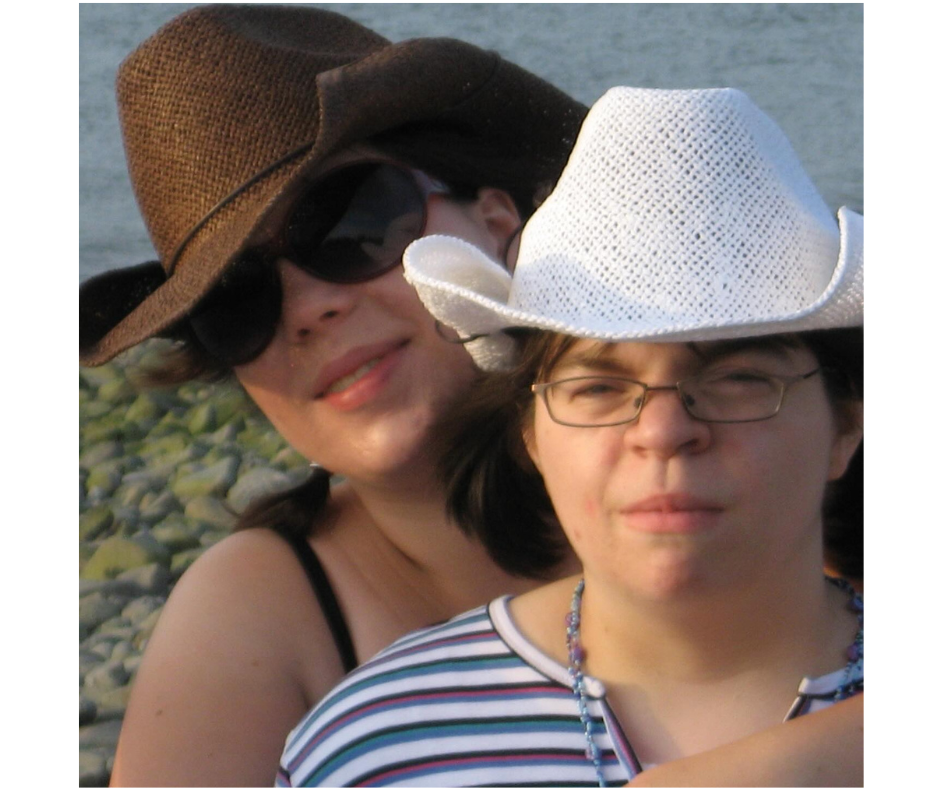
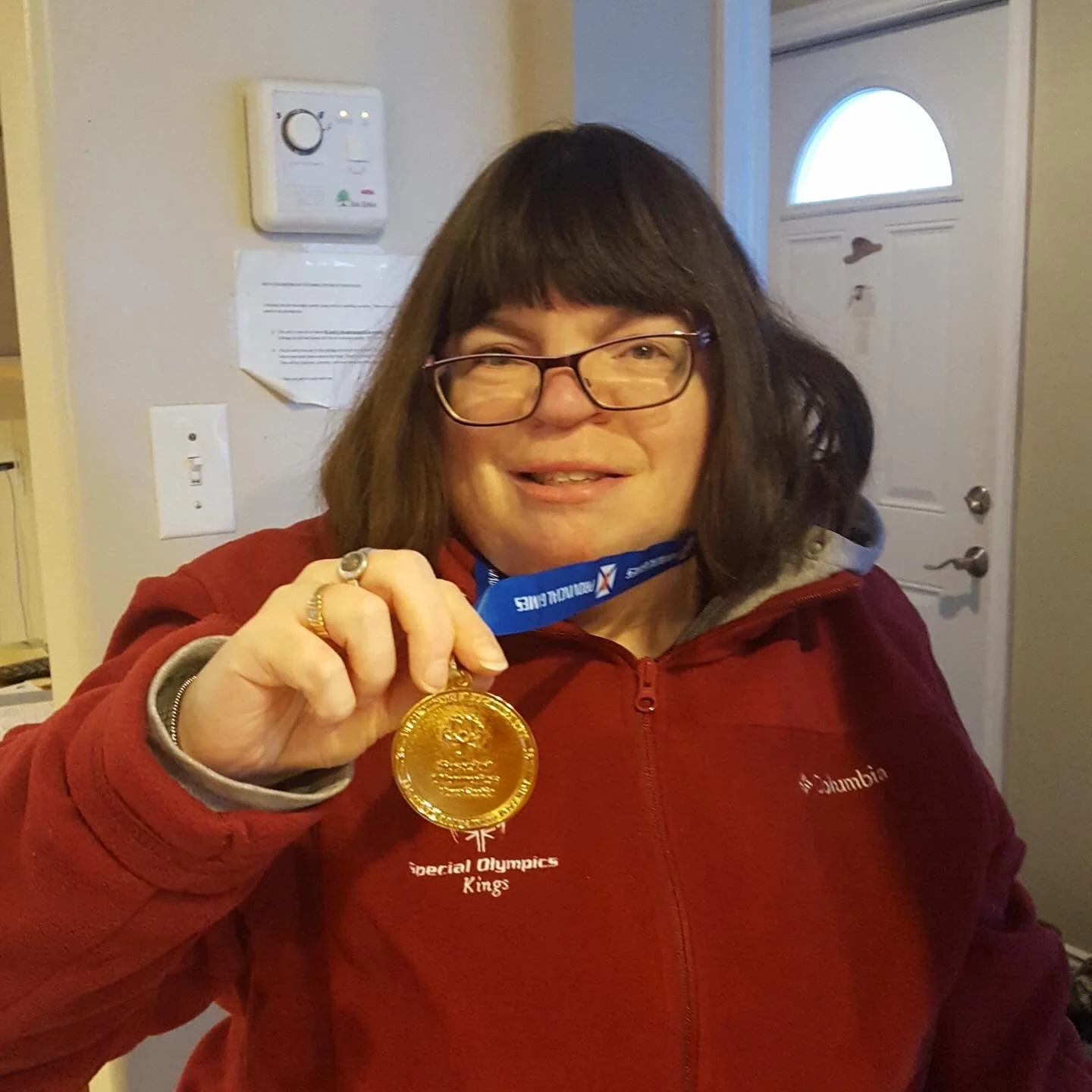
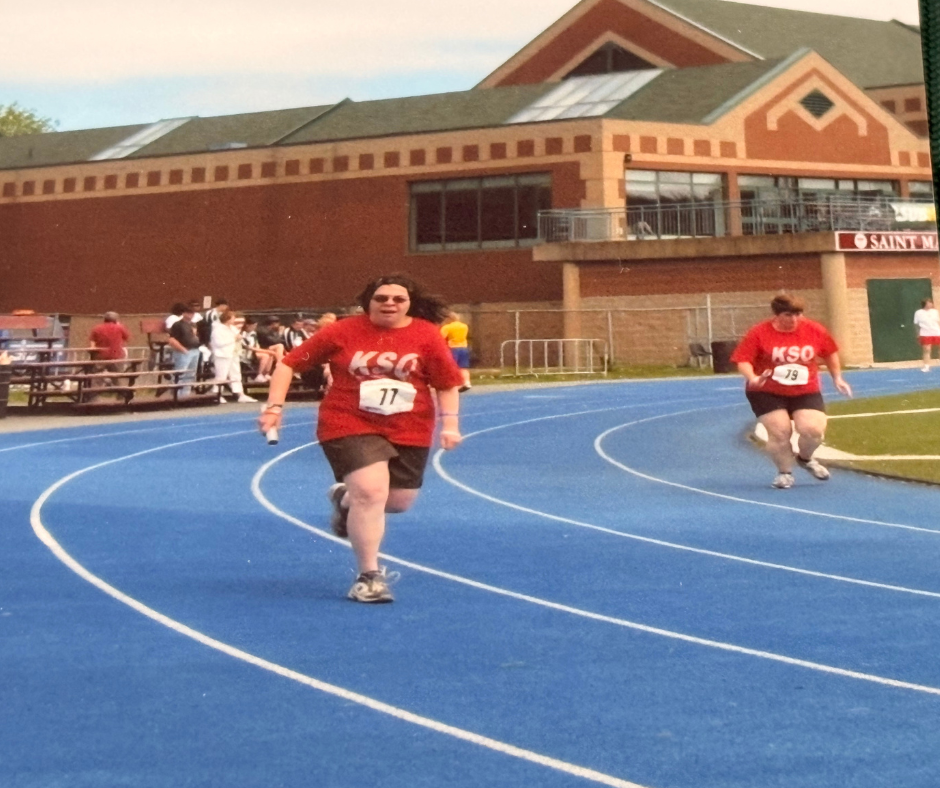
I had always been a protective big sister. After Johanna died, I realized I needed to protect myself too. That meant movement, which helped me to stay strong.
Grief does not follow a clear timeline. It requires endurance. Movement has helped me build that endurance – both physical and emotional. On the days I don’t make time for a good workout or a long walk, everything feels heavier. Exercise has become an important tool for coping with my grief. It is central to how I care for myself.
I am grateful for the work we do at the Foundation. Being immersed in health promotion helped me connect with movement in a way that has changed my life, and I want to share that with everyone. Reconnecting my mind, body and spirit has been vital for me during these stressful times.
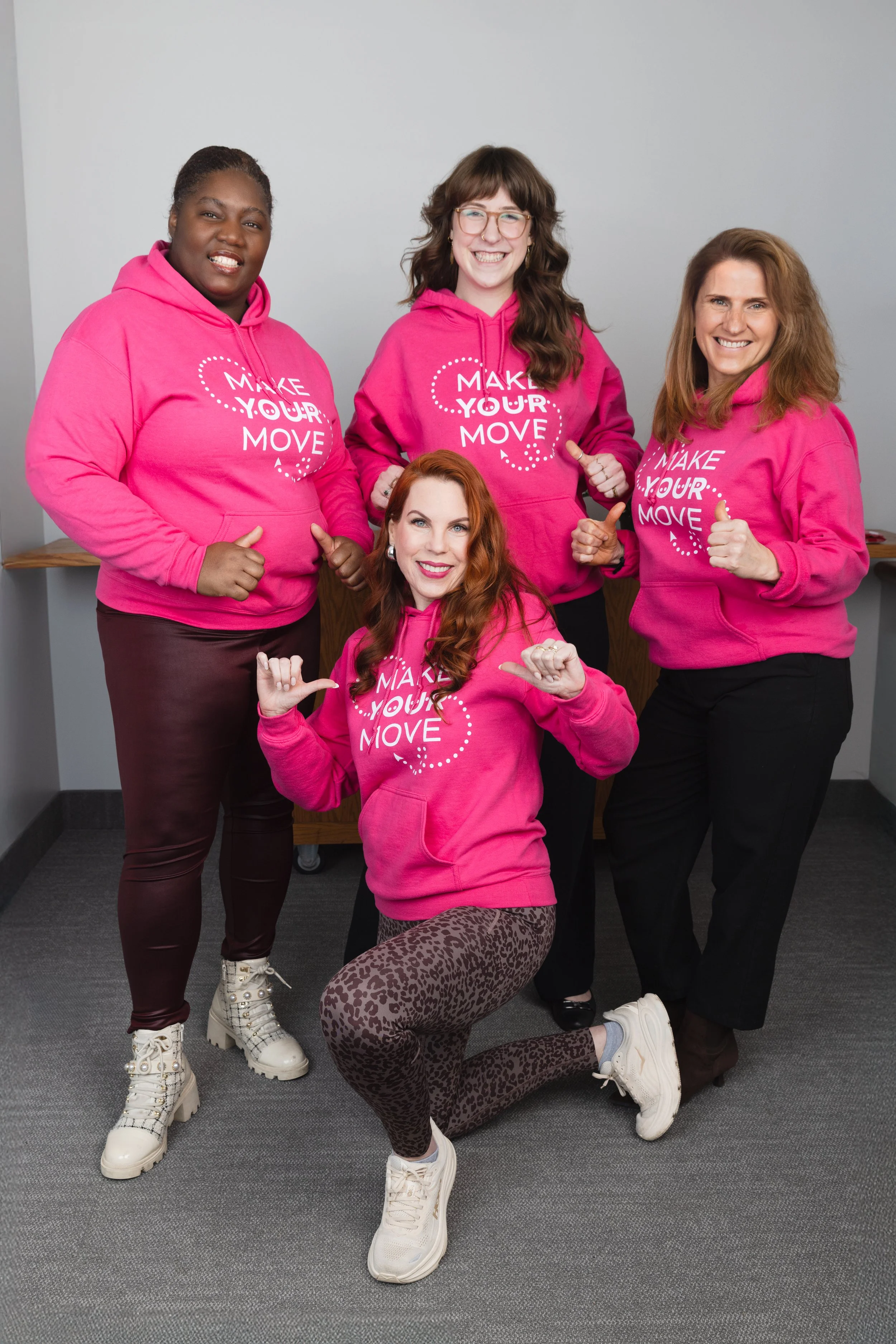
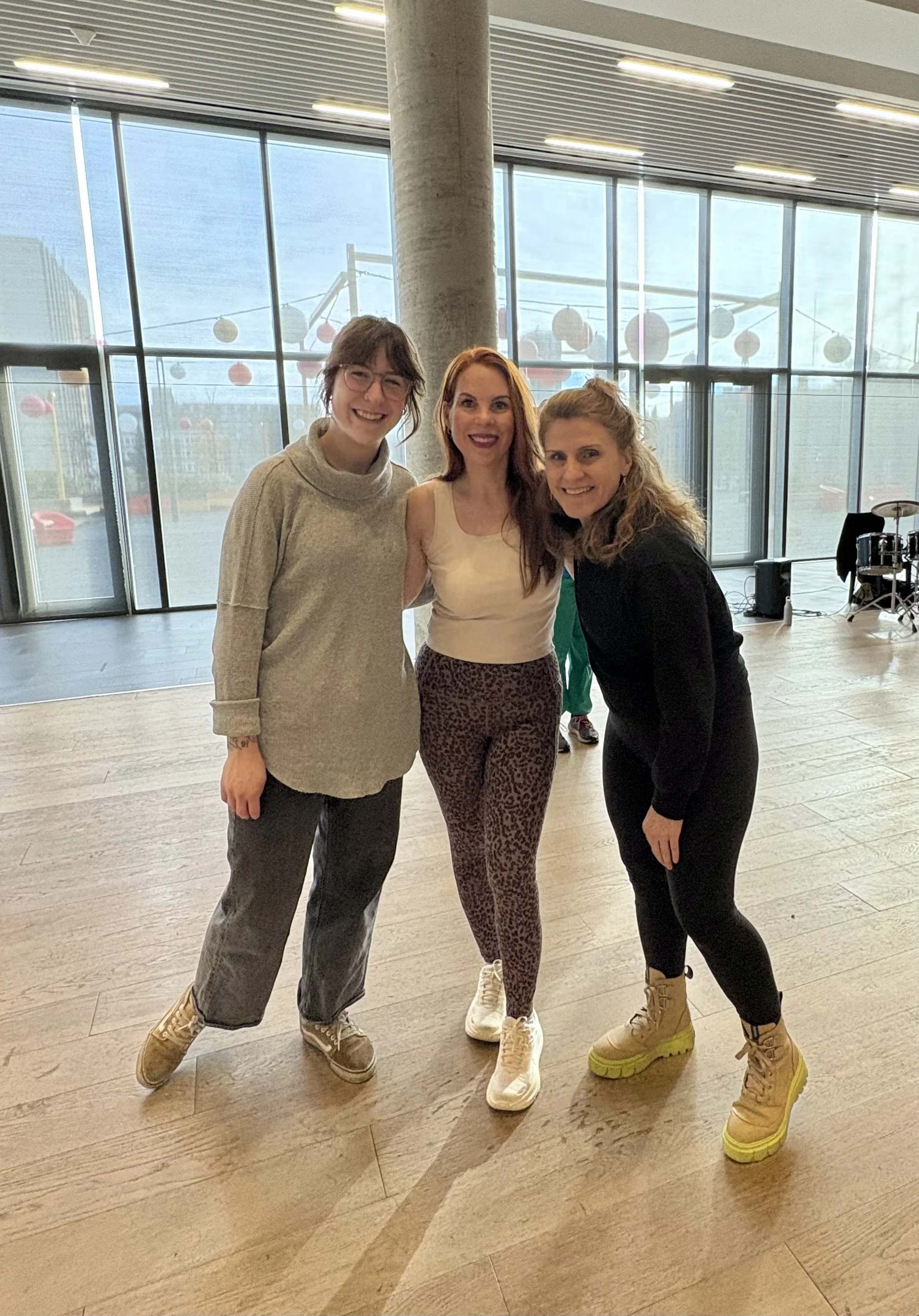
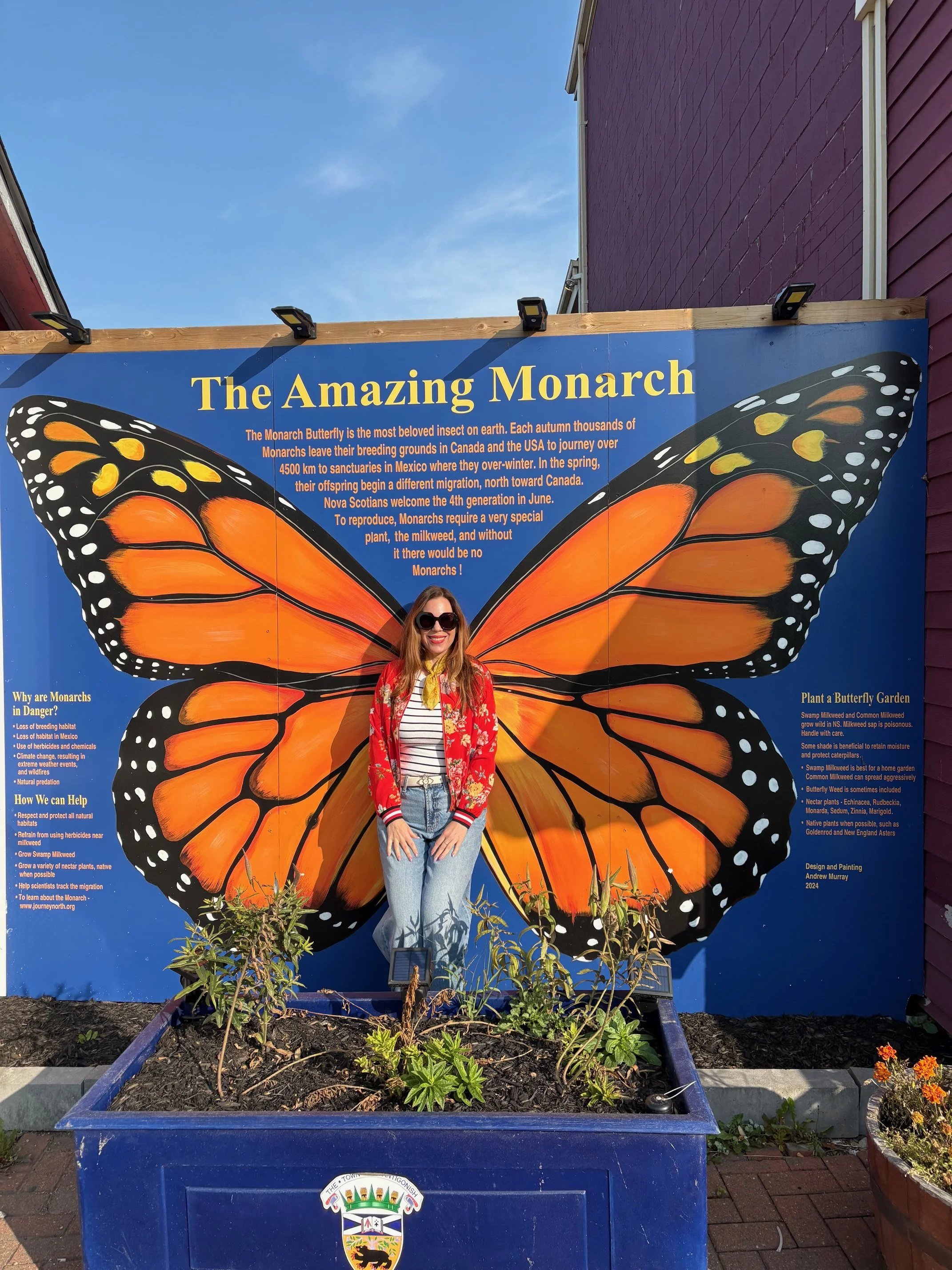
By stepping out from behind the scenes, by sharing my journey, I hope, in some way, it might inspire you to think about how movement can change your life – how it can reconnect your mind, body and spirit. How it can give you more resilience in the face of the stress you may experience in a given day. It isn’t easy making a major change, but that is the beauty of small, simple movements. They create a path toward living better and feeling better. And you can feel the impact by making your first move in a way that is right for you.