

Dr. Ghenea’s advice: start with five minutes
In Canada, the leading risk factor for chronic disease is inactivity. We’re just not moving enough.
“Most Canadian adults are not meeting the minimum recommendations for physical activity,” says Dr. Irina Ghenea.
Dr. Ghenea runs OceanView Family Practice and Lifestyle Medicine in North Sydney. In late 2025, she was certified as a lifestyle medicine physician by the American College of Lifestyle Medicine.
“I was always interested in being able to help people stay healthy as opposed to just treating them when they were sick,” she says. Lifestyle medicine uses evidence-based therapeutic interventions to prevent, treat and sometimes reverse chronic diseases. It’s based on six healthy lifestyle habits, including regular physical activity. She recalls the day one of her patients came in for a routine visit.
“She seemed down, moved slowly and had trouble getting up from the chair. We started discussing her blood pressure.”
This is a common scenario, she says. Most primary care visits are for chronic diseases that are the result of unhealthy lifestyles. It’s also common for patients to feel unsure or intimidated when told they need to get more exercise but aren’t shown how. They may feel powerless to make changes.
Dr. Ghenea has made it part of her approach to help them find easy, accessible ways to add movement to their lives. With this patient, she began by asking her if instead of adjusting her medications, they could work on a plan to improve her lifestyle habits.
Here Dr. Ghenea shares several of her favourite tips and her patient’s journey to success.
Even five minutes a day can help
Dr. Ghenea has a graph she often shows to patients to help them see how even a small amount of movement can lower our mortality risk. That’s the probability that a person will die earlier than expected, influenced by factors like chronic disease and unhealthy lifestyle habits. Mortality risk is shown on the Y axis (the vertical side) and weekly minutes of physical activity are shown on the X axis (the horizontal side).
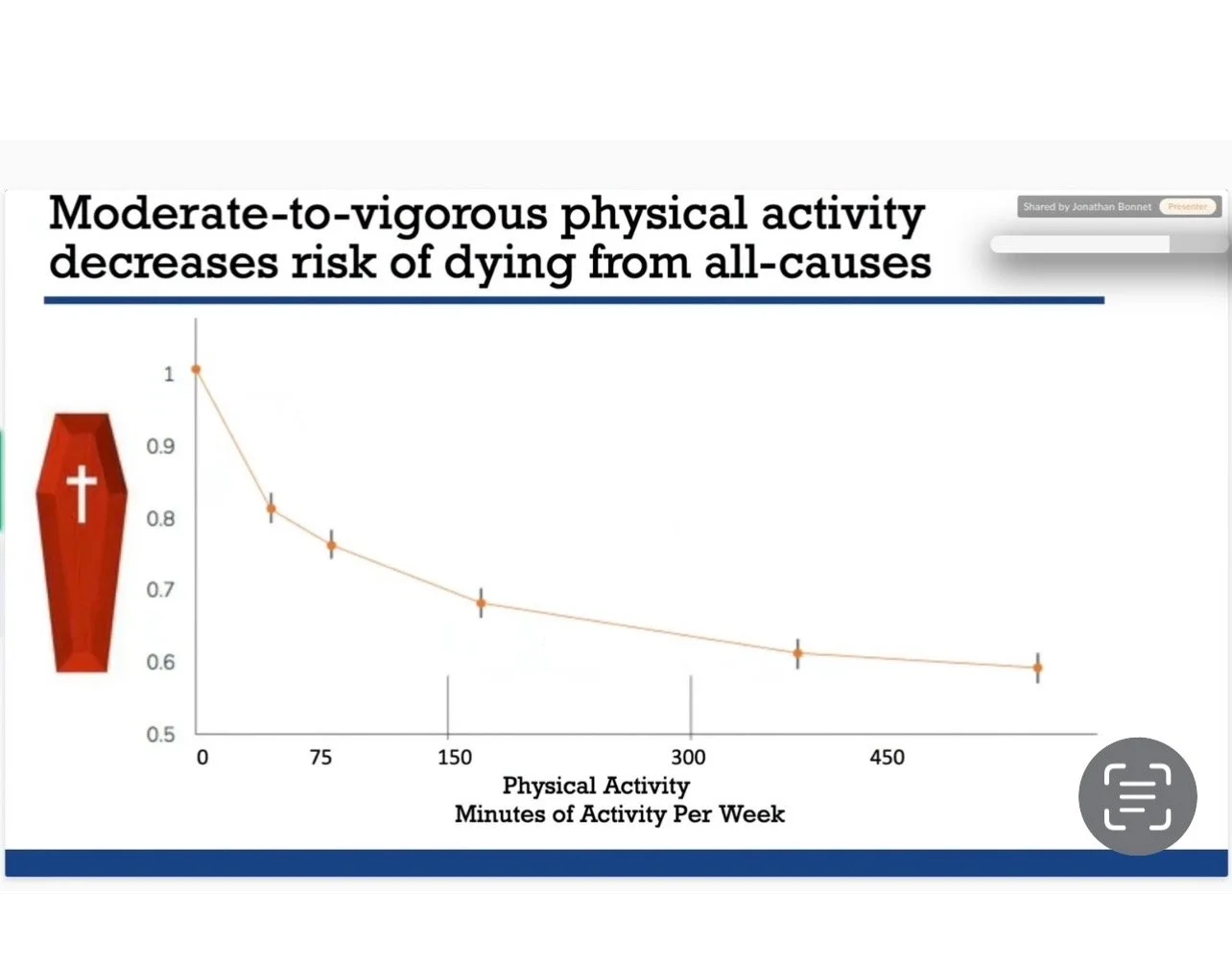
“The biggest drop in mortality happens when you go from no exercise to about 35 minutes a week,” says Dr. Ghenea. “That’s about five minutes a day.”
Try exercise snacks
While current evidence recommends 150 minutes of physical activity each week, you don’t have to bite off big chunks of time. The latest guidelines also note that any amount of movement is better than none and that small intervals of exercise matter.
When you feel too busy or unmotivated for even a five-minute walk, Dr. Ghenea advises trying a few exercise snacks. These are short bursts of movement, anywhere from 30 seconds to a few minutes, spread throughout the day. It’s like grabbing a few apple slices and a handful of almonds instead of a full meal.
“For some, these ‘snacks’ are more accessible,” says Dr. Ghenea. They’re also a great way to form a healthy daily habit.
Start with something simple, like standing up and down repeatedly from a chair or doing a few jumping jacks. Whether you’re between Zoom calls at your desk or between episodes on your couch, this is one kind of snack that is always good for you.
Set SMART goals
Change can be hard, and trying to change too many things at once is overwhelming. When it comes to movement, she says, it’s best to create SMART goals:
Specific: State your goal precisely.
Measurable: Pick a number to track, such as how many times each week.
Achievable: Choose something you can see yourself doing. Work in contingency plans for unexpected events or changes in the weather.
Relevant: Align your goal with your values and how you want to live.
Timed: Set a specific, appropriate amount of time for your goal.
For Dr. Ghenea’s patient, vague goals like “I’m going to exercise more” don’t work.
“But choosing a specific, trackable goal – like a 10-minute walk five days a week – does.”
Track progress
Dr. Ghenea advises using a dedicated calendar to record each time you complete a movement activity. By putting a checkmark, happy face or other symbol on days that you are active, you create a visual record of your success.
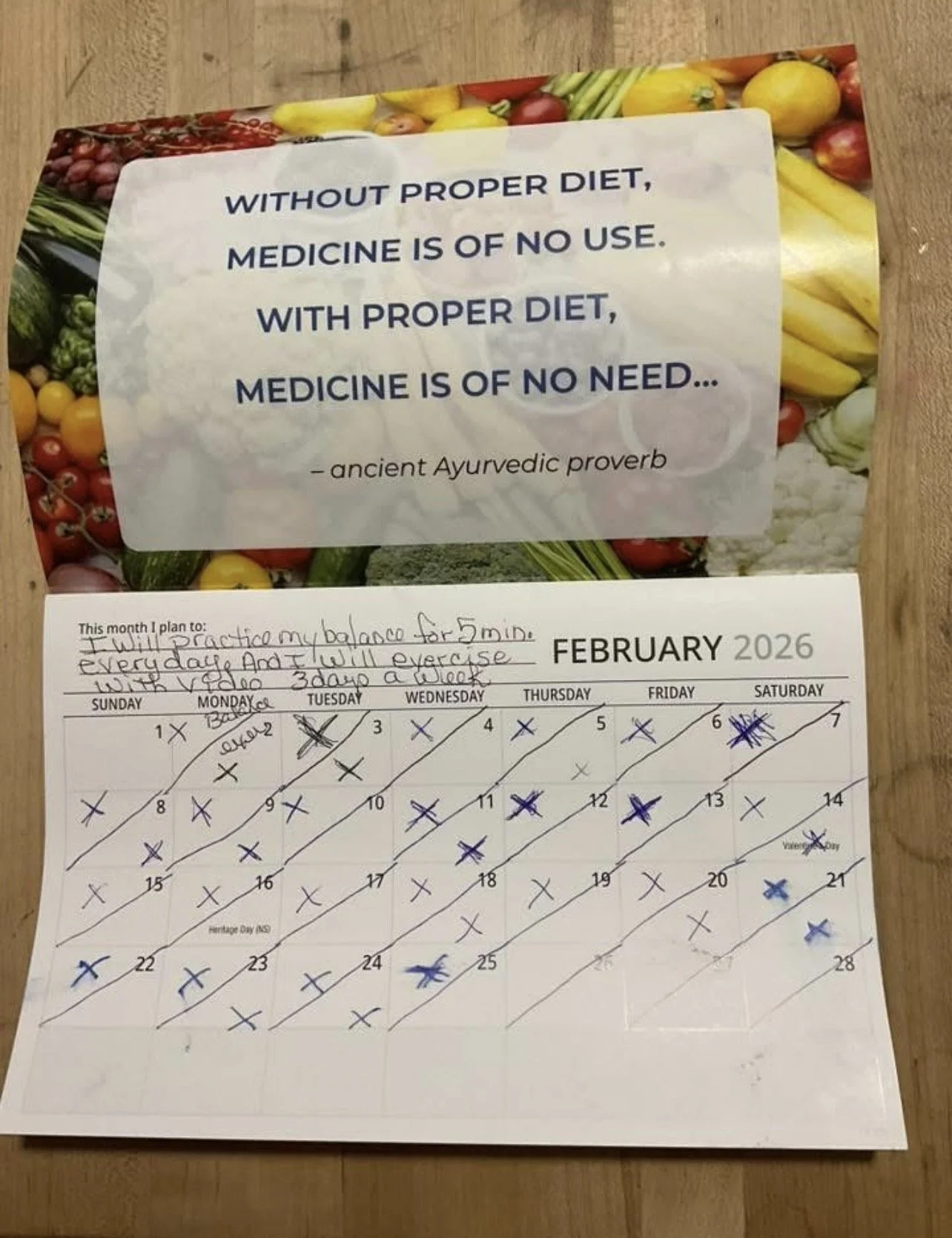
Example of how to track your moves.
“Tracking means you can see it,” she says. You’ll notice that momentum, which can help inspire you to get back on track on the harder days. “That feeling of accomplishment makes a big difference.” One month after that first visit, Dr. Ghenea’s patient came back. She held up her calendar, now filled with 13 checks – one for each of her walks.
“She was beaming with pride,” Dr. Ghenea recalls. “She had already started feeling better, had more energy and was moving more easily. She was excited to try and do more.”
A year later, that same patient has added fruits, vegetables and whole grains to her diet. She cut out alcohol. Her first small movement goal has grown into a 30-minute walk, five or six times a week. She continues to track these successes on her calendar.
“I see her monthly,” says Dr.. “She is glowing and she lights up my day every time.”
Dr. Ghenea shares her tips for simple movement on her Facebook page. Be sure to follow for her latest “movement snack.”
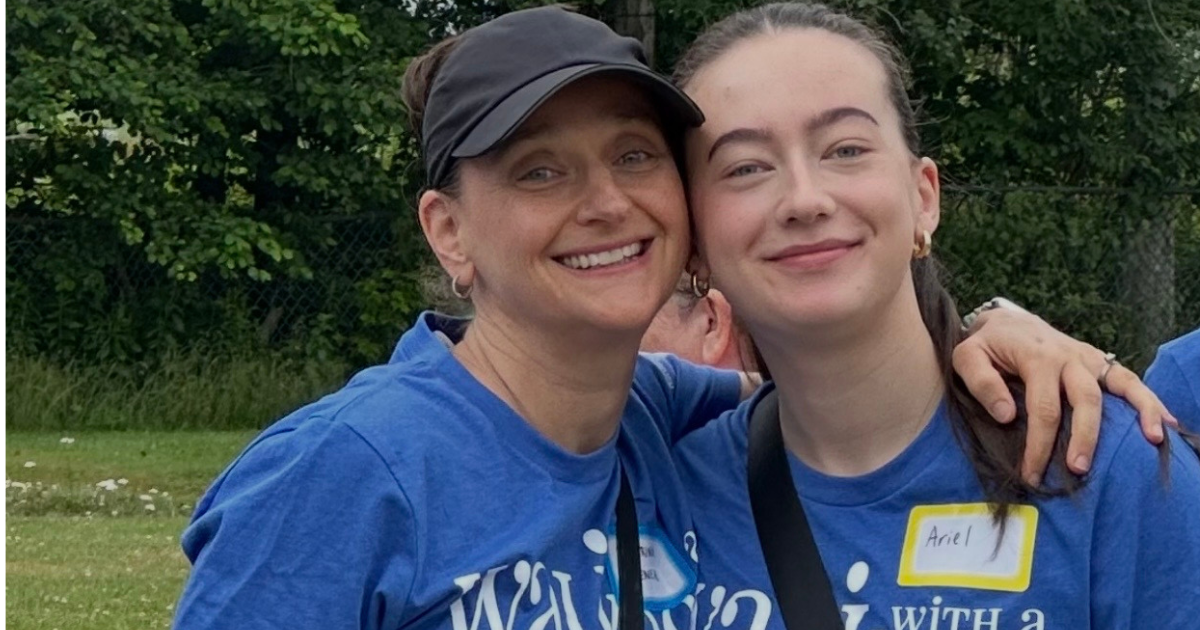
North Sydney, are you ready to add more movement too? Dr. Ghenea hosts the only Walk with a Doc program in Atlantic Canada the first Saturday of every month. She starts each session with a brief talk and tips about a health-related topic. It’s free and you don’t need to sign up or be a patient of hers to take part.
Walkers and rollers of all ages and abilities are welcome – just come to the outdoor track by the Carmen Young Field at 9 a.m. In poor weather, walks take place on the indoor track of the nearby Emera Centre Northside. To learn more, check out Walk with a Doc or connect with Dr. Ghenea through OceanView.
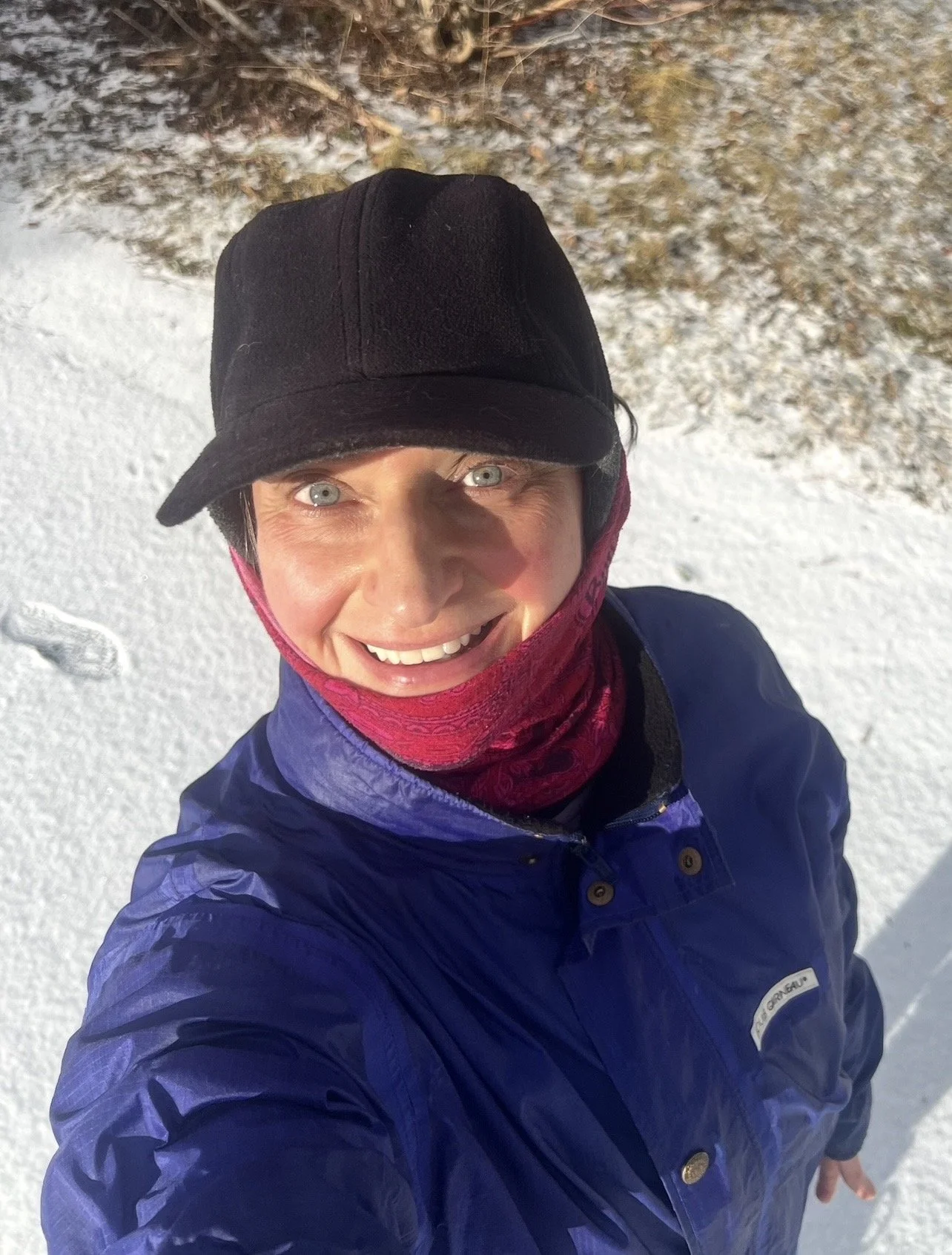
Dr. Ghenea making her move in all seasons.