RJ Roggeveen builds community through adaptive recreation
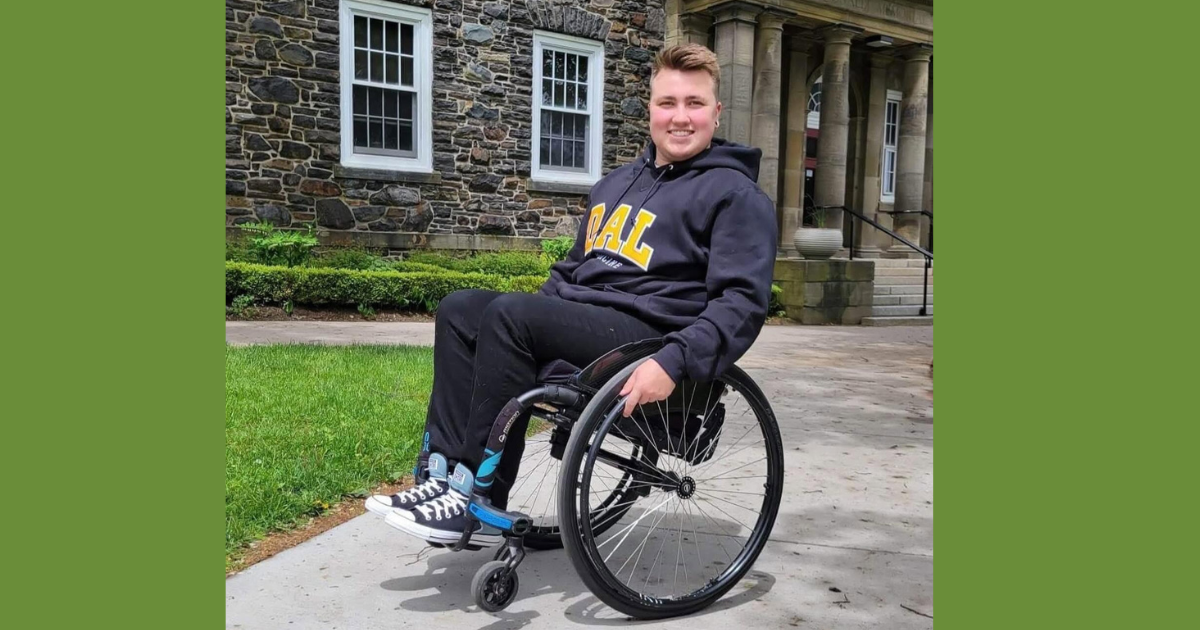
Dalhousie University Medical School student, RJ Roggeveen
When he isn’t in the operating room, making rounds or on call as the first wheelchair user admitted to Dalhousie University’s medical school, RJ Roggeveen can often be found hitting the slopes, rolling down trails or catching a wave.
A well-known disability advocate and adaptive athlete – his Instagram account has nearly 65,000 followers – RJ got into adaptive sports and recreation soon after he acquired his disability in 2021.
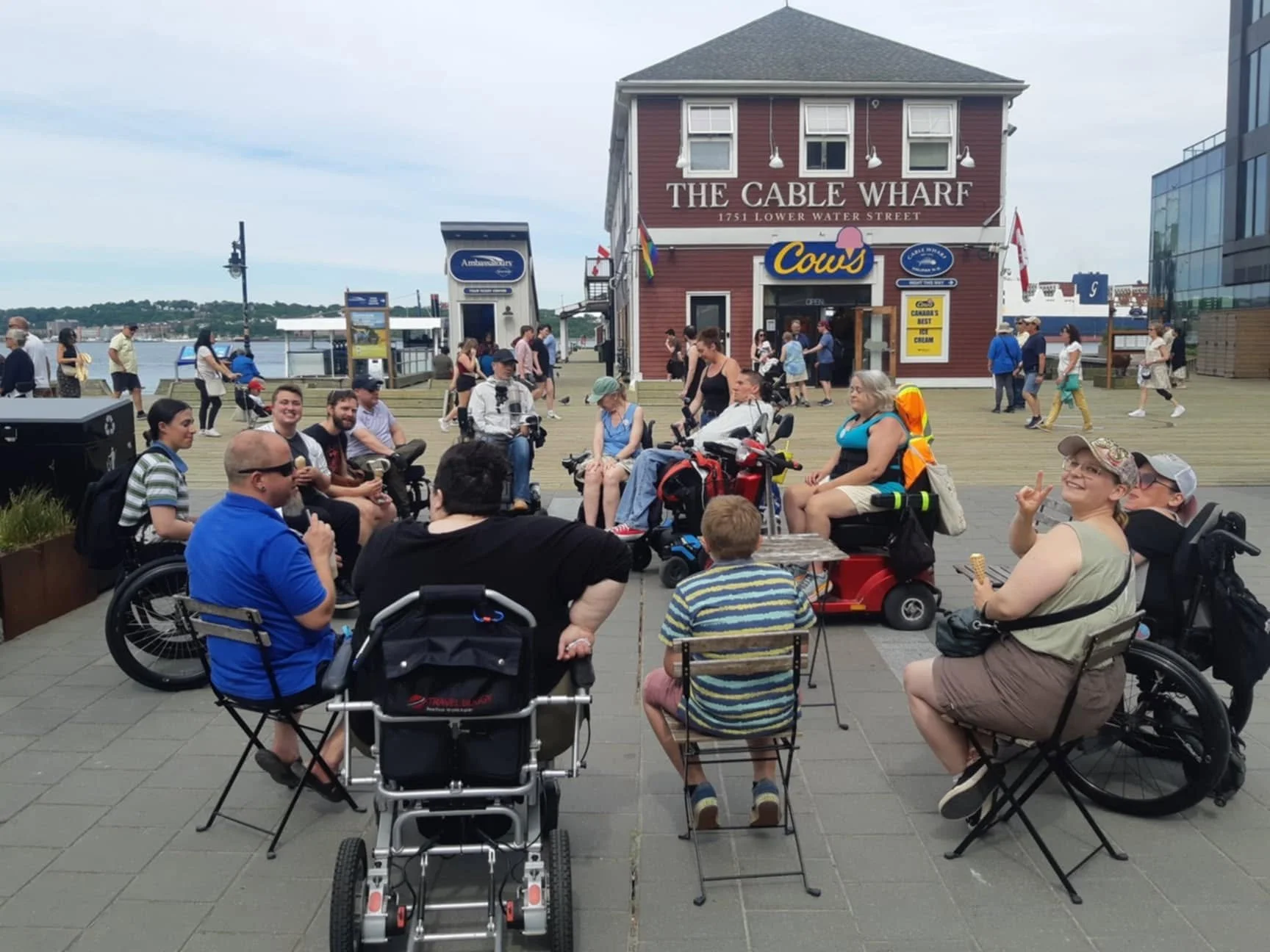
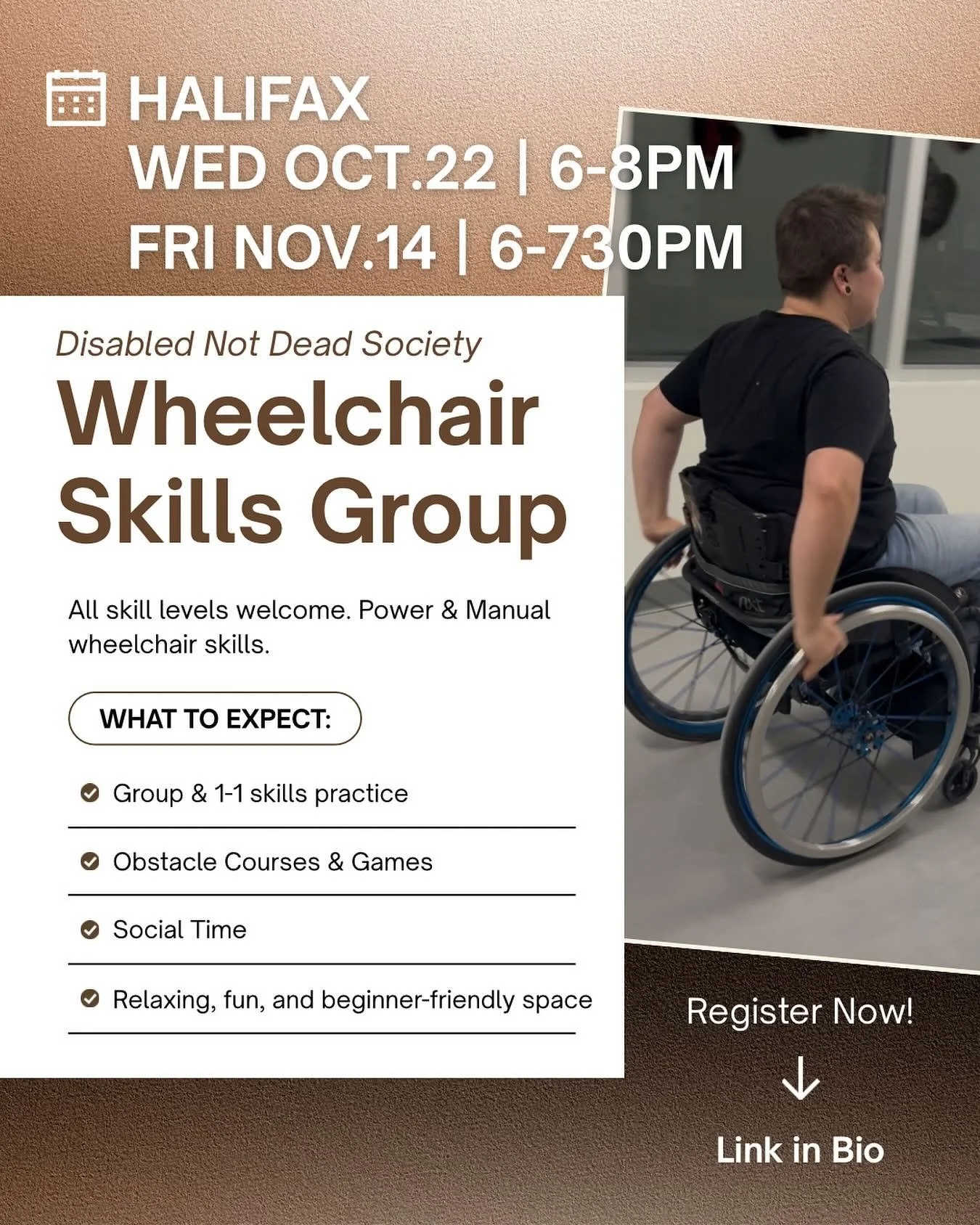
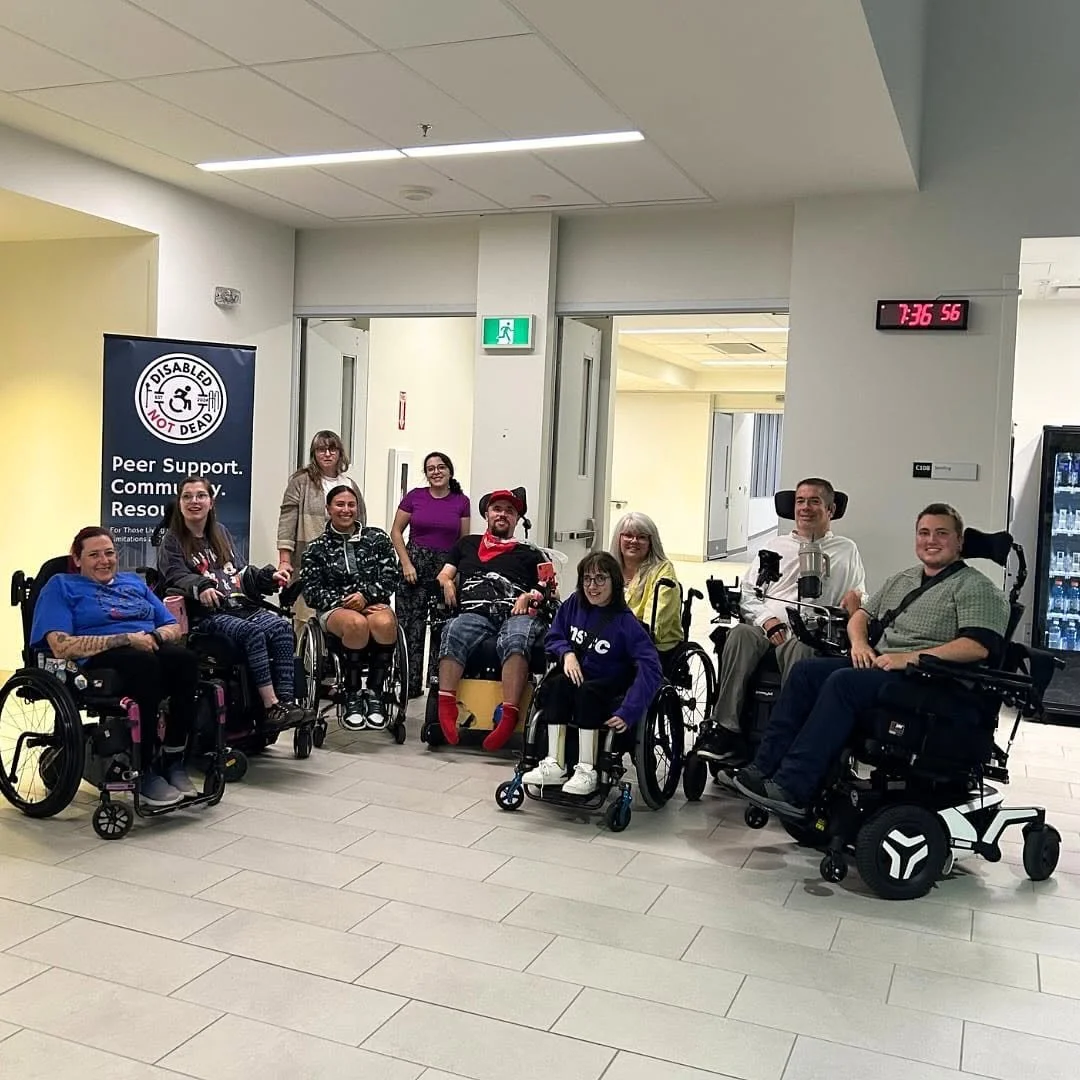
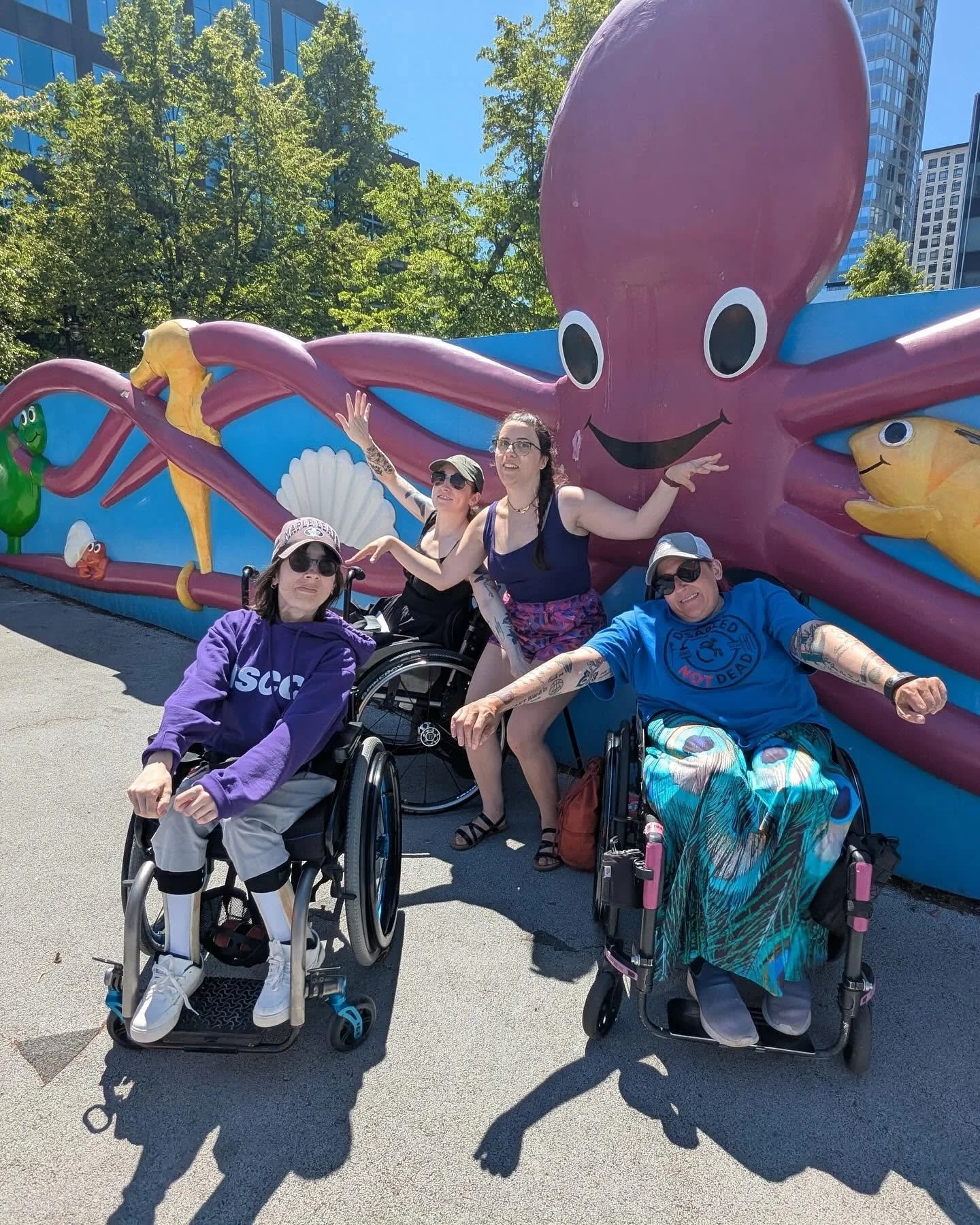
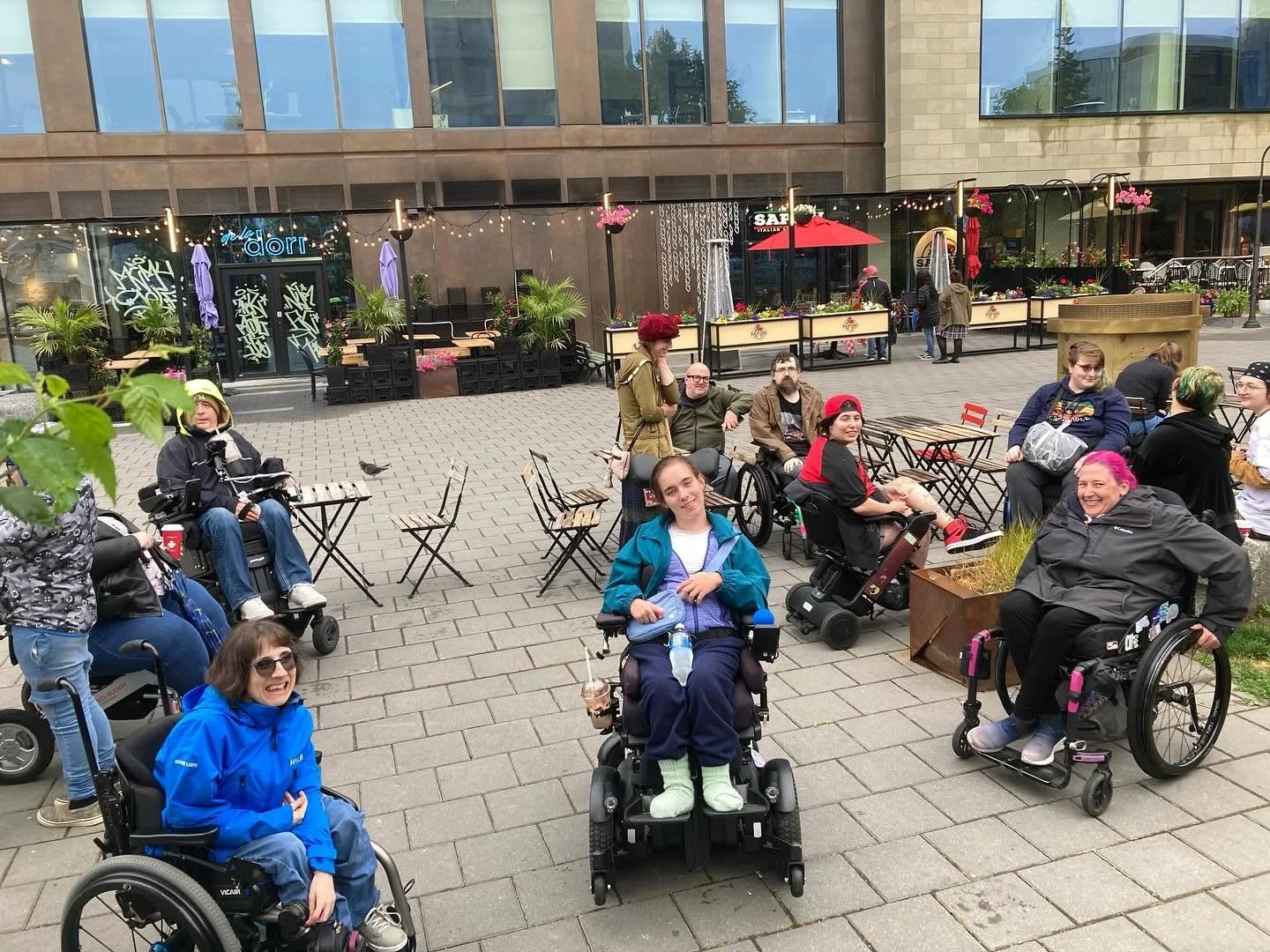
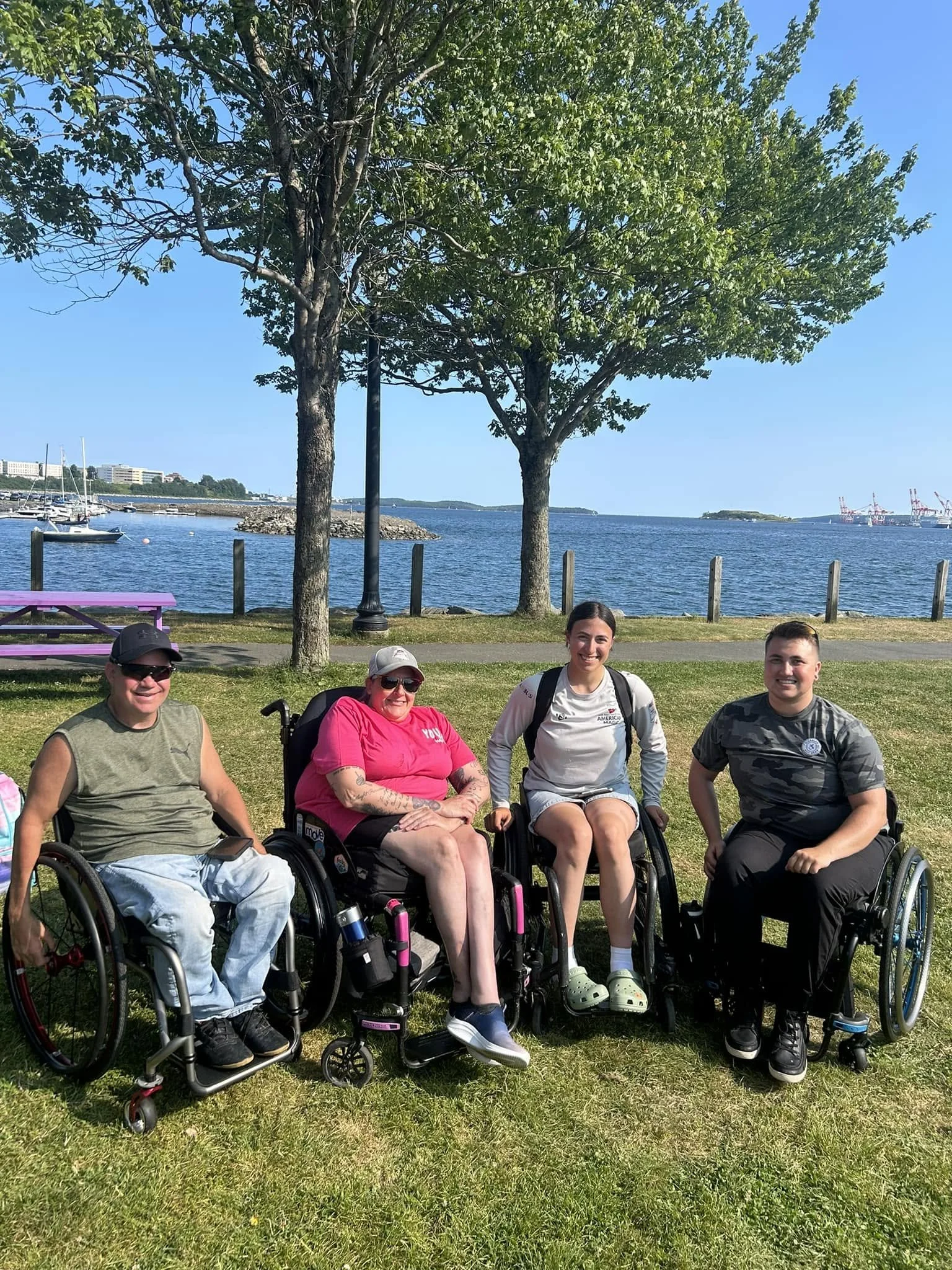
For RJ, it has never been enough to simply try out new activities and develop his own adaptive athletic skills. It’s about connecting with others through recreation, helping to create community, and sharing resources and skills. He’s a volunteer coach with the Easter Seals Learn to Wheel program and a mentor and wheelchair skills teacher with the Disabled Not Dead Society, which he co-founded in 2023.
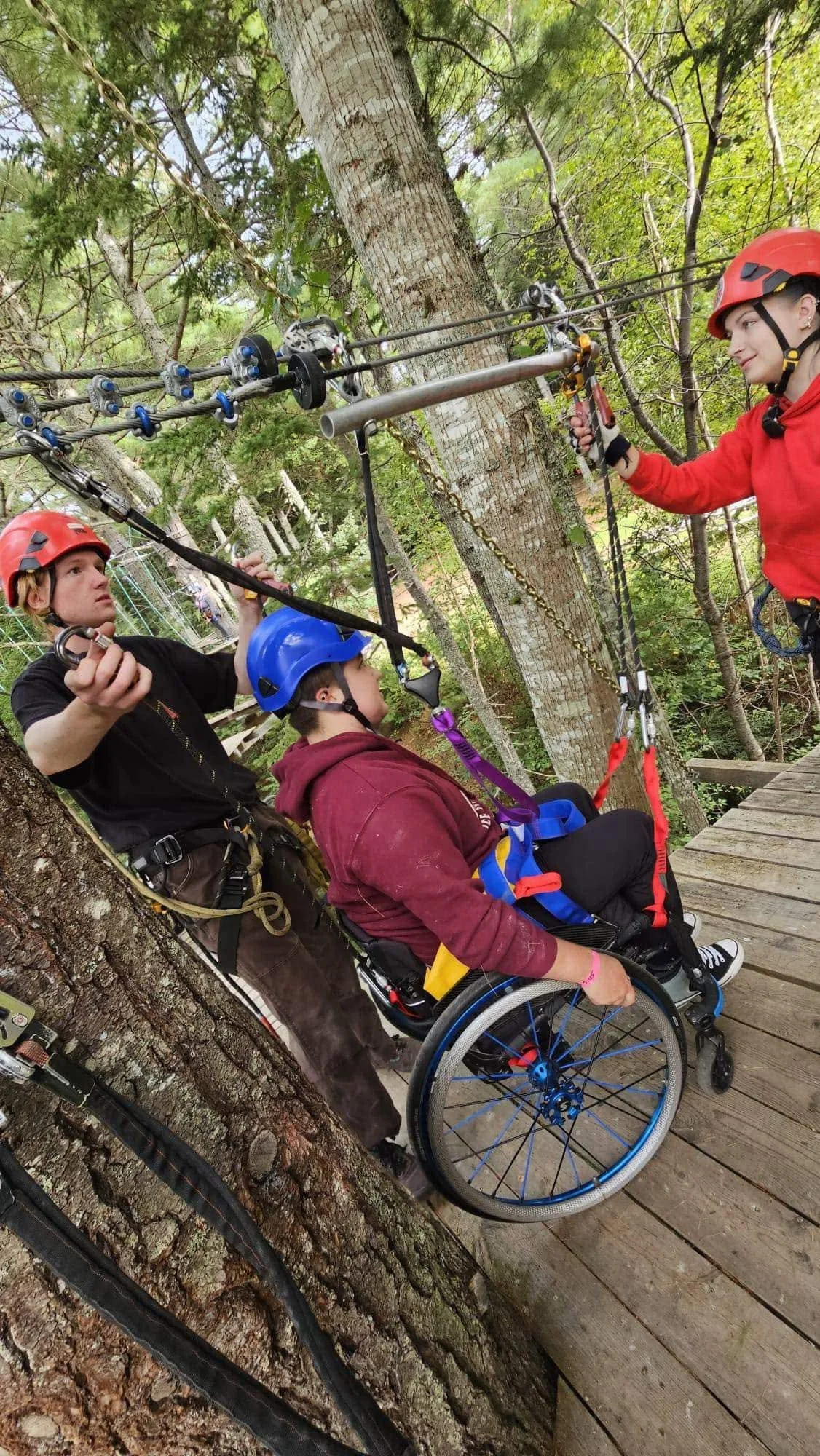
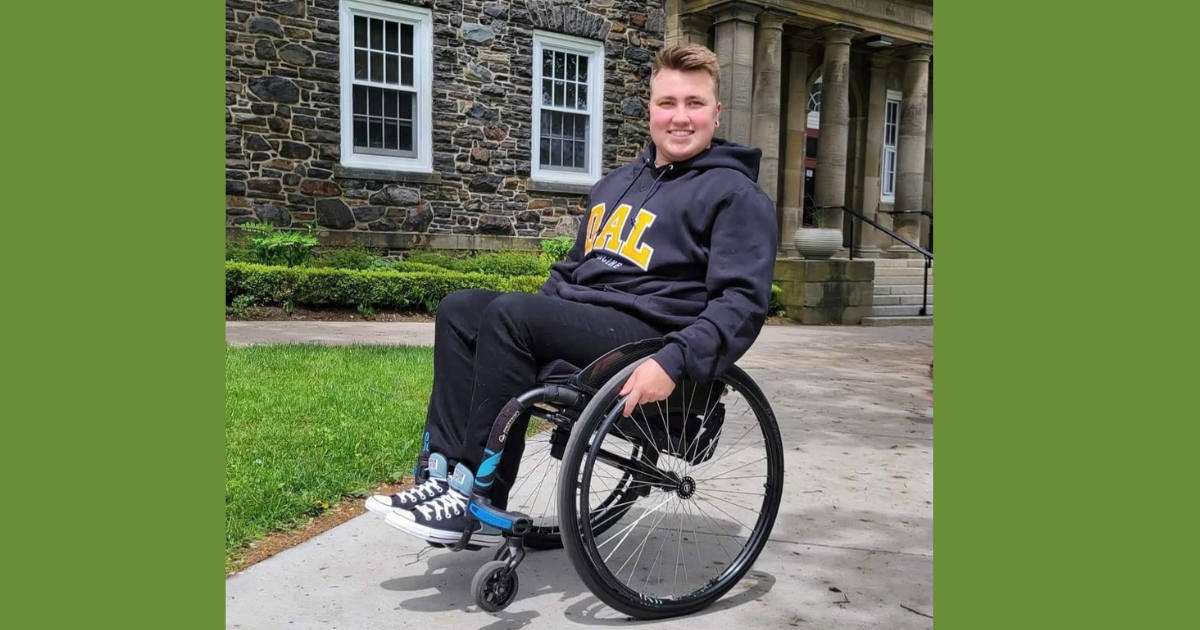
Originally from Kelowna, RJ is Métis and part of the med school’s first cohort in its Indigenous Admissions Pathway/Keknu’tmasiek Ta’n Tel Welo’ltimk (We are Learning to be Well) program. He has also served as class president for the Dalhousie Medical Students’ Society and vice president of DalOUT, and has helped to develop policies and procedures to support future wheelchair-using students at Dal’s medical school.
For his advocacy, community building, leadership and more, RJ has been recognized with Dalhousie’s 2026 Board of Governors Award and the 2026 Doctors Nova Scotia Outstanding Medical Student Award.
Here, RJ shares with the Healthy Tomorrow Foundation what adaptive recreation looks like for him, and why he is so passionate about creating community, support, and inclusive and accessible opportunities for others.
This conversation has been condensed and edited for length and clarity.
What kinds of recreation and sports interested you when you were growing up?
As a preteen and teen, I was into competitive swimming. In high school, I was into cheerleading and then dance – primarily hip hop but also jazz and ballet, and I’m Indigenous and grew up with my culture and got into fancy dancing.
What are your primary recreation activities these days?
Adaptive skiing is my number one for winter, and adaptive surfing is my summer activity. I dabble in wheelchair basketball – I used to play on a recreational level but now I help with coaching and teaching kids.
Did you ski before you acquired your disability?
No, I was a snowboarder before. I tried adaptive snowboarding a few times before jumping over to the sit ski, as I found I could do a lot more in the sit ski than I could on an adaptive snowboard. My disability has progressed at times, so it also decided that for me.
What does a sit ski look like? How does it function?
Imagine taking only one ski and then sitting just above it. Both your feet are out in front of you as if you were on a recumbent bike but instead of a nice solid platform below you, you have a ski that’s about 90 millimetres wide.
Had you ever tried surfing before you acquired your disability?
No, I first got into it through Life Rolls On, a phenomenal foundation based out of the [United] States. We have a chapter in Nova Scotia and they plan an adaptive surfing event once a year in August at Martinique Beach. They have lots of adaptive boards and different ways to get anyone in the water. You get a time slot of 30 minutes in the water. It’s about 20 volunteers per participant, and you surf down between two rows of people. It gets a lot of people into the water for the first time, and a lot come back every year. That’s what got me started, and then I pursued the path of being independent in the water on a seated surfboard called a wave ski.
Describe the wave ski.
It’s a seated surfboard and a kayak paddle. It has a divot where I sit and then I’m strapped into the board with a quick-release seatbelt. My feet also have their own divots on the board. The second you fall off, you quick release out of it and then restart the whole process.
Surfing is also how I got connected to the High Fives Foundation. They’ve been the most impactful organization in my recovery. They were the first ones to support a goal I had that wasn’t related to walking. They got me my first wave ski – they support recovery built on small goals that involve living your life, and sports is a big thing for them.
The Straz Strong Foundation, based out of Alberta, also provides financial support for people who want to get sports equipment. They’ve done a lot of work to showcase the impacts of adaptive sports. And Sport Nova Scotia has a parasport entity that connects athletes to the right programs, then the sports organizations themselves run their adaptive programs.
You’ve translated the support you’ve received from these organizations into advocacy and support for others. What drives you to do that?
There’s an element of the values my parents instilled in me. I remember that first year after acquiring my disability being so hard. Once I got through it, things started to lighten up. I was thinking how it was hard to find resources, so part of my goal was to help others not have to work so hard to find those same resources. That’s where I started with my social media posts.
My good friend Kimberly Neary and I met at Para Athletics, and we were talking after one of our practices about how there’s got to be a better way for people to find support than just through sports. A year later, we started the Disabled Not Dead Society. We based it around recreation through the lens of socializing – being in community and doing activities but not related to parasports.
My undergraduate degree was recreation therapy, and so I pulled strongly from what I learned there about what recreation and leisure is and how we could help build our community through this social element.
Why are adaptive sports and recreation so important?
Recreation gives people purpose, meaning and goals. It’s one of the ways you find community. Recreation changed my perspective on recovery, and adaptive sports gave me a way to have goals beyond learning to manage my everyday life.
“The world wasn’t built for me. I still use it.” RJ Roggeveen
To follow RJ on his adventures, be sure to follow his Instagram page, here.